Hypertension
HYPERTENSION
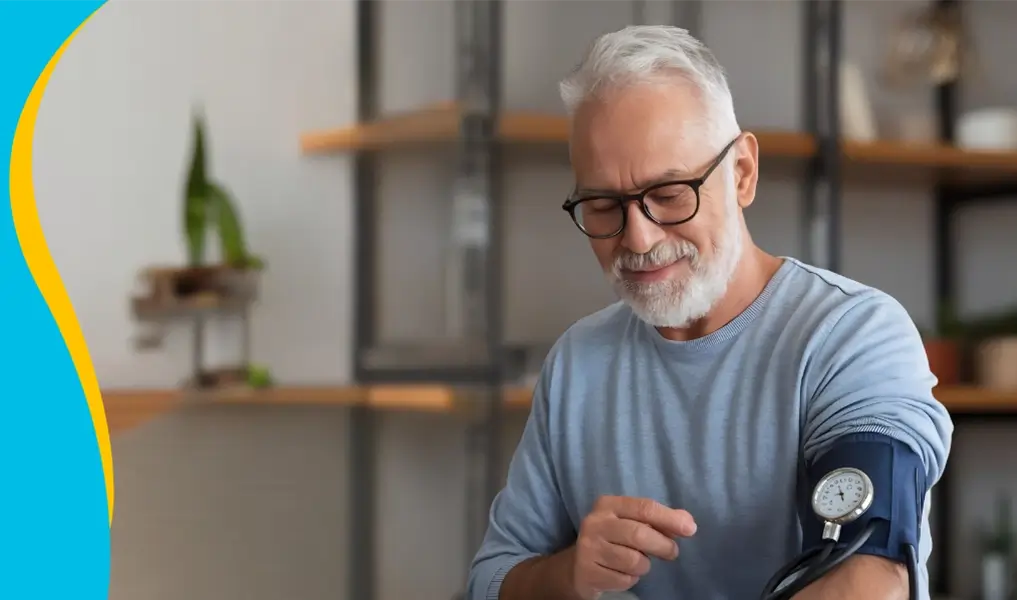


Hypertension, also known as high blood pressure, is a condition that puts you at risk for heart attack, stroke and kidney disease. It does not usually cause symptoms. But it can be serious. The physicians here at Tapia Internal Medicine Clinic, PLLC want to educate you on what hypertension is as well as ways to treat and prevent it.
When your physician or nurse tells you your blood pressure, he or she will say 2 numbers. For instance, “140 over 90”. The top number is the pressure inside your arteries when your heart is contracting. The bottom number is the pressure inside your arteries when your heart is relaxed. When left untreated, hypertension increases your heart’s workload and damages the delicate tissue of your blood vessels, increasing your risk of heart attack, kidney failure and stroke. “Elevated blood pressure” is a term doctors or nurses use as a warning. People with elevated blood pressure do not yet have high blood pressure. But their blood pressure is not as low as it should be for good health.
Start Managing Hypertension Effectively!
We’re always happy to welcome new patients. Our commitment is to provide the best possible care to those we already serve while inviting new patients to experience the same high standard of service.
903-739-7920

Patient Resources
Frequently Asked Questions
Hypertension is often referred to as the silent killer because there are no symptoms, which is why the physicians at Tapia Internal Medicine Clinic, PLLC check your blood pressure every time you come to see them.
- Normal blood pressure: Less than 120 mm Hg/80 mm Hg
- Elevated blood pressure: 120-129 mm Hg/80 mm Hg or less
- High blood pressure: 140 mm Hg or higher/90 mm Hg or higher
Keep in mind: A single episode of high blood pressure doesn’t mean you have hypertension. If you have an elevated reading, the doctor monitors your numbers at your regular visits and may have you check at home using a home testing machine or at a blood pressure testing machine at your local pharmacy.
If your blood pressure is consistently high, the physician may diagnose you with hypertension.
If your doctor or nurse has prescribed blood pressure medicine, the most important thing you can do is to take it as prescribed. If it causes side effects, do not just stop taking it. Instead, talk to your doctor about the problems it causes. He or she might be able to lower your dose or switch you to another medicine. If cost is a problem, mention that too. Your doctor might be able to put you on a less expensive medicine. Taking your blood pressure medicine can keep you from having a heart attack or stroke, and it can save your life.
You have a lot of control over your blood pressure. To lower it:
- Lose weight (if you are overweight)
- Choose a diet low in fat and rich in fruits, vegetables and low-fat dairy products
- Reduce the amount of salt you eat
- Do something active for at least 30 minutes a day on most days of the week
- Cut down on alcohol (if you drink more than 2 alcoholic drinks per day)
It’s also a good idea to get a home blood pressure meter. People who check their own blood pressure at home do better at keeping it low and can sometimes even reduce the amount of medicine they take.
Normal blood pressure is under 120/80 mm Hg, while a reading of 140/90 mm Hg or higher may indicate hypertension. A single high reading doesn’t always mean hypertension—it’s the persistent pattern that matters.
Yes. Having a home blood pressure monitor can help track your numbers between clinic visits, identify trends, and give us more data to guide treatment. It also helps in detecting “white coat” effects (higher readings at the clinic).
Absolutely. Medications help, but lifestyle changes (weight control, diet low in sodium, being active, limiting alcohol) remain important and can reduce the needed dose or number of drugs.